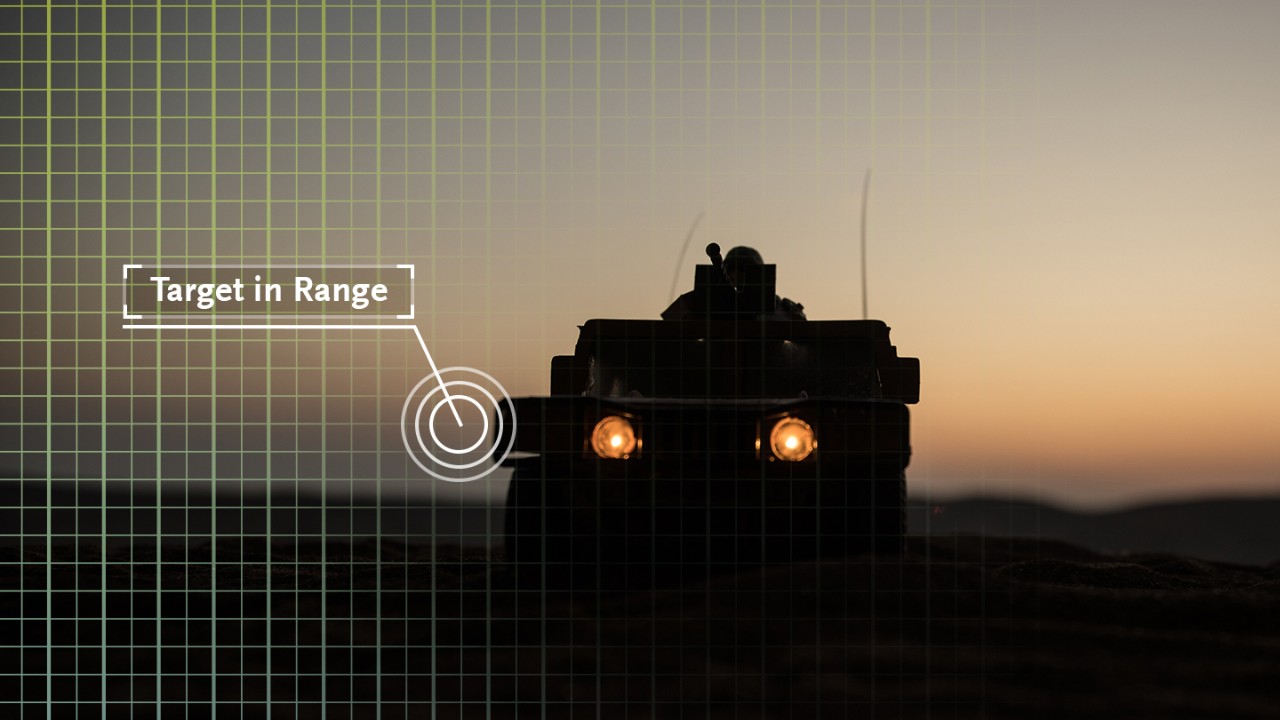
For warfighters, first responders, and border patrol troops, there’s a lot on the line. These individuals often need to make quick decisions—both for mission success and for the safety and security of the many others who depend on those decisions.
But take a moment to consider the conditions these individuals might operate under: intermittent connectivity, weighty and complex gear, and limited time to assess an environment before acting. They might not have the ability, or the luxury of time, to receive intelligence from central operations. Too often, the men and women that protect us must carry out critical missions without full situational awareness—where their most reliable tool to guide them is instinct.
Of course, the U.S. government and its military are in the business of training instinctive and well-prepared frontline leaders. But our nation’s challenges are not what they used to be, and we can’t afford to continue relying on old technologies that leave people in the dark when executing on increasingly modern missions. Looking ahead, we need a new communications paradigm that puts the right information in the right hands, at the right time.