In Conversation
Infrastructure to Impact
a16z's Raghu Raghuram on AI's next frontier, defense tech, and why the future of innovation runs through government.
Velocity Magazine | V5. Summer 2026

Speed Read ↗︎
- Today's AI wave is an industrial-scale shift—closer in kind to electricity than to prior cloud eras—that demands first-principles thinking, not pattern-matching from previous technology cycles.
- Sovereign AI, national security imperatives, and commercial defense technology are fundamentally reshaping the relationship between Silicon Valley and government.
- a16z is partnering with Booz Allen to bridge the gap between breakthrough innovation and mission-ready deployment across the U.S. government and allied nations.
This is a web summary.
Download the article for the full interview, including Raghuram's take on emerging tech and his vision for Silicon Valley and government building together again, or download the full edition of Velocity Magazine for more insights for innovators.
the choice to join a16z
After VMware's acquisition by Broadcom closed, you had options. What made this the right moment to join a16z?
I could have very easily called it a day. But if you look at what's going on in the world, there has never been a greater time for technology to have a positive impact. AI is on the scale of the next Industrial Revolution, and I wanted to be involved in as many areas of it as possible. As the CEO of a single company, you're often focused on one particular slice of the market. Ventures gave me the opportunity to engage across a broad set of technologies and applications. And then there was the team. Venture capital is often described as an individual sport. a16z operates very differently—as a team sport. That resonated with me.
sovereign ai and national strategy
Governments everywhere are starting to think about national infrastructure for AI. What are you hearing from leaders about why that matters?
The countries that controlled foundational technologies—whether in the Industrial Age, the transistor era, or beyond—captured disproportionate economic advantage. That advantage ultimately translates into military capability and geopolitical influence. If you're not able to have a say in how AI is built or adopted in your country, it becomes a material weakness for the long-term security of the nation. And AI models reflect the data they're trained on. For countries whose culture, history, or values aren't well represented in training datasets, that becomes a real issue. They want their own models that reflect their own societal perspectives.

about
Raghu Raghuram
Managing Partner, a16z
Former CEO of VMware, which he helped grow into a defining force of the cloud era before its $69B acquisition by Broadcom—the largest software exit in history. Previously at Netscape during the browser wars. Now focused on AI, defense tech, and American Dynamism at a16z.
the future of defense tech
What separates the defense tech companies that will actually matter from those that fade away?
Some things stay the same. The current incumbents combined cutting-edge innovation with tremendous execution and a strong focus on delivery. But the nature of innovation is evolving. Companies now can take advantage of the best commercial technologies available and combine them with AI to drive down costs while increasing capability. And there's delivery—actually getting these technologies into large organizations like governments that have a lot of constraints and requirements. You must understand how those institutions work and how to translate innovation into something they can actually deploy. Execution still matters enormously. These systems are used in environments where lives are at stake.
velocity spotlight
Explore more Q&As with tech leaders
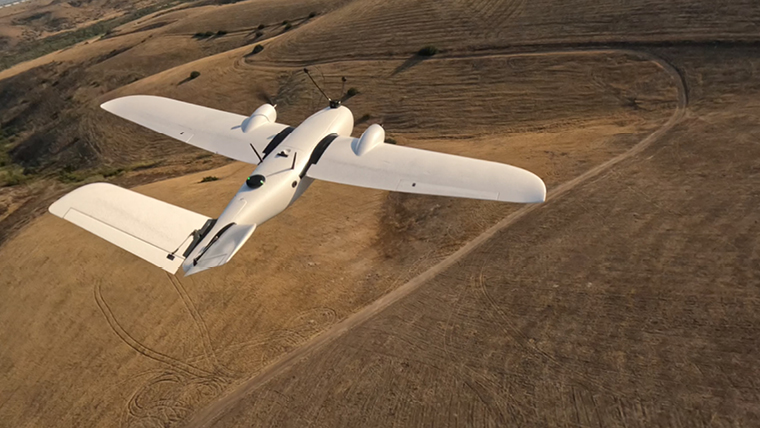
Autonomy at the Edge:
Brandon Tseng
Co-Founder and President of Shield AI
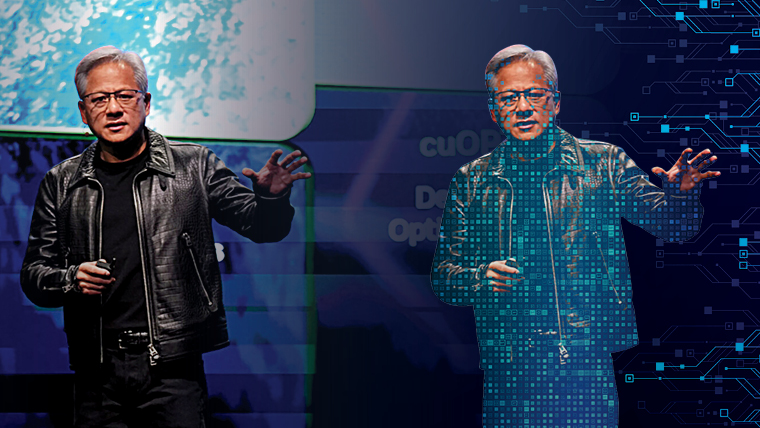
Accelerated Computing:
Jensen Huang
Founder and CEO of NVIDIA
partnership with booz allen
Why was Booz Allen the right partner for this moment?
One of the most important things we can do is strengthen the capabilities of the U.S. government—defense, civilian agencies, and the broader national security ecosystem—by bringing the latest technologies into those institutions. Our role as a venture firm is primarily around innovation and helping companies execute. But we're not built to deliver those technologies directly into government. That's where Booz Allen comes in. You have a long history of helping government organizations adopt and implement new technologies. You understand how to translate cutting-edge innovation into systems that institutions can actually deploy.
We can identify and support the most innovative companies—and by working with Booz Allen, those companies have a path to deliver into real mission environments.

partner spotlight
Booz Allen Hamilton and Andreessen Horowitz are partnering to accelerate government adoption of emerging technologies—connecting a16z's portfolio of breakthrough companies with Booz Allen's deep mission expertise and trusted relationships across government organizations.
agentic ai and mission environments
How do you see agentic AI shaping mission environments?
The waves of AI moved from predictive to generative to reasoning—and the next frontier is action. An agent is essentially software that can reason about inputs and then take actions in the digital world on your behalf. It might monitor information, trigger workflows, or execute tasks automatically. Initially, those agents will operate with humans supervising them, but over time you'll see agents trusted to carry out actions independently. Government agencies have enormous backlogs of tasks and are constantly balancing budget pressures with the need to innovate. Agents have the potential to help address all of that.
Lightning Round
Finish this sentence: The United States will maintain its technology edge if…
…if you let the industry cook.
One myth about defense tech that the Valley needs to retire?
Modern defense tech is not science experiments. It's significant growth companies producing drones, sea vessels, missiles, and other critical technologies at scale and speed—providing thousands of jobs across the United States.
One myth about Silicon Valley that government needs to retire?
Big Tech is not representative of all tech. Most builders in Silicon Valley are small teams with ambitious entrepreneurs tackling big problems, taking on enormous risk, and operating in intensely competitive environments.
One a16z portfolio company Velocity readers should know about?
Cursor.
Read the Full Article
The article PDF includes Raghuram's path from Netscape to VMware to a16z, his complete take on how commercial technology is reshaping defense, emerging tech beyond AI (robotics, decentralized networks), and his five-year vision for Silicon Valley and government building together again.
New edition | v5. summer 2026
Explore the New Velocity
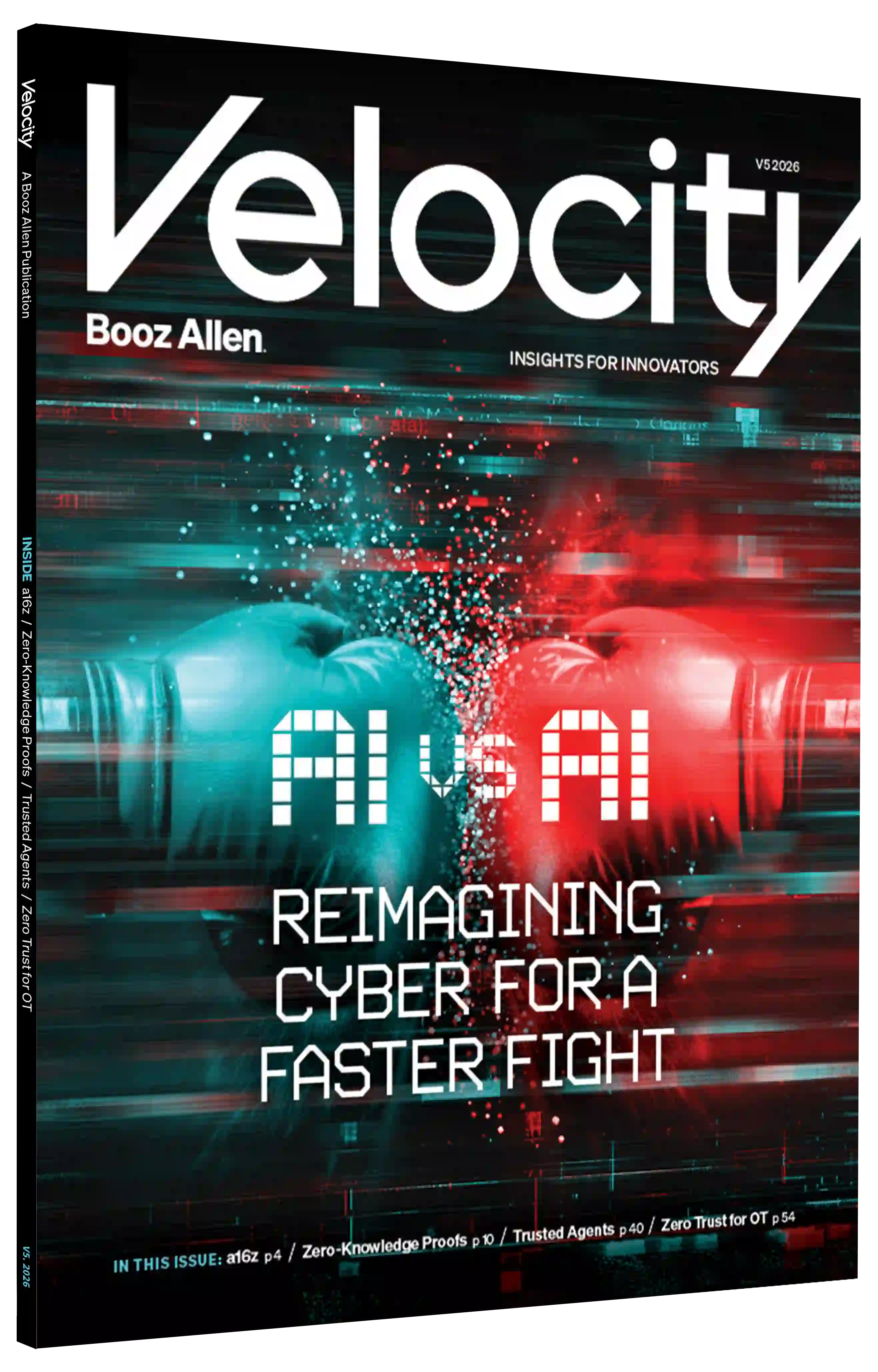

cover story
Reimagining Cyber for a Faster Fight
Learn how CISOs are rebuilding to keep pace with AI-powered attacks.

tech spotlight
How Can You Trust Agentic AI? Start with Engineering
Why trust must be designed, governed, and validated—not assumed.

mission spotlight
Infrastructure Under Attack: The Zero Trust Imperative
Cybersecurity must go beyond compliance to defeat new threats.
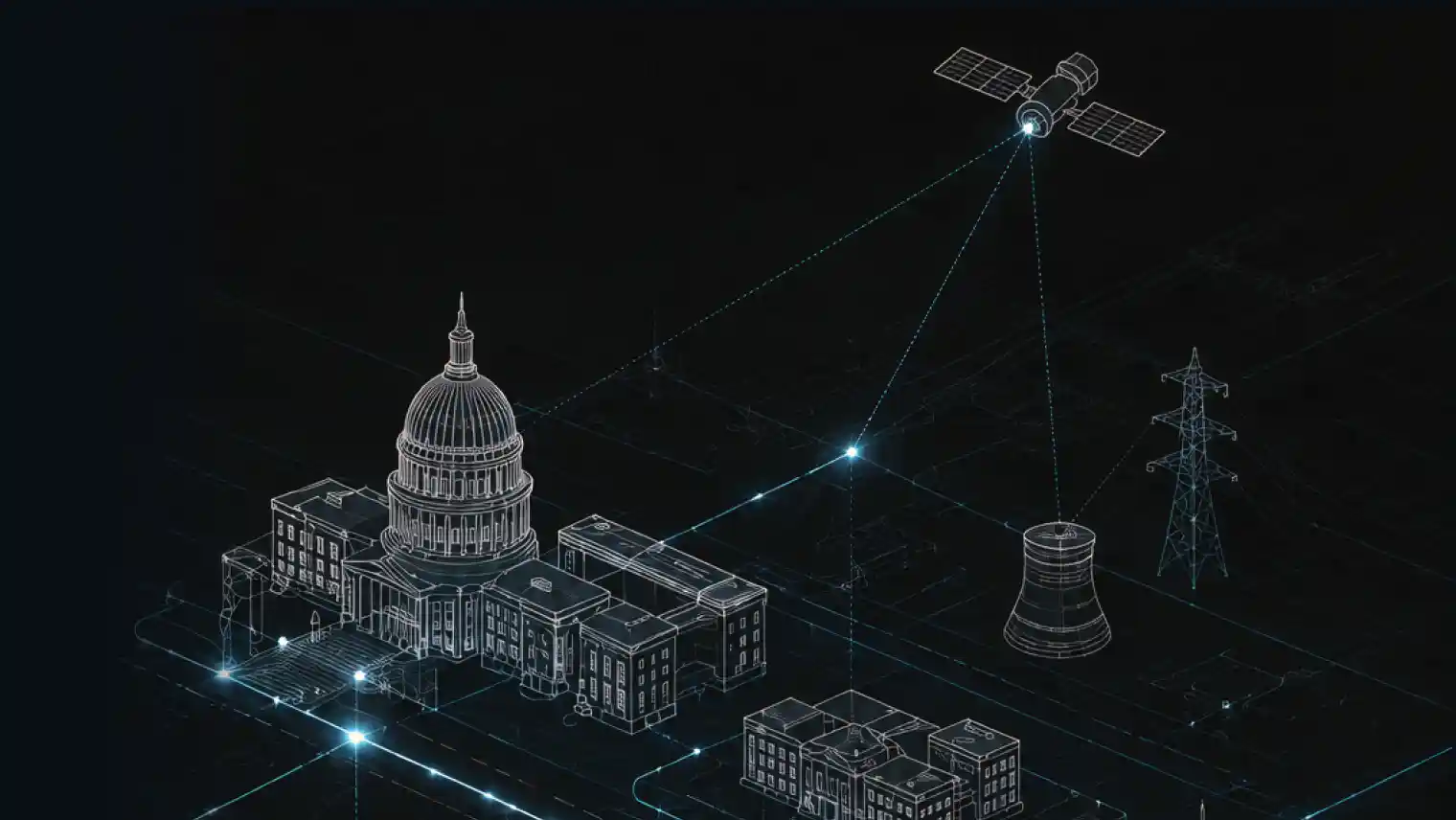
in conversation
Infrastructure to Impact with Raghu Raghuram
An interview with Raghu Raghuram, managing partner at a16z.

emerging trends
The Math that Makes Technology Trustworthy
Formal methods and automated reasoning are reshaping software and AI security.

lessons from the edge
Resilience Tops Perfection: Designing for Failure Wins
Resilience doesn't come from preventing failure, it comes from surviving it well.

tech watch
Don't Take My Word For It: Zero-Knowledge Proofs
Trusting more (but revealing less) with zero-knowledge proofs for government.
New edition | v5. summer 2026
Explore the New Velocity
cover story
Reimagining Cyber for a Faster Fight
Securing enterprises against AI threats requires disrupting operating models, enriching detection, and strengthening resilience—because attacks now unfold in minutes, not days.
tech spotlight
How Can You Trust Agentic AI? Start with Engineering
Why trust must be designed, governed, and validated—not assumed.
mission spotlight
Infrastructure Under Attack: The Zero Trust Imperative
Cybersecurity must go beyond compliance to defeat new threats.
in conversation
Infrastructure to Impact with Raghu Raghuram
An interview with Raghu Raghuram, managing partner at a16z.
emerging trends
The Math that Makes Technology Trustworthy
Formal methods and automated reasoning are reshaping software and AI security.
lessons from the edge
Resilience Tops Perfection: Desiging for Failure Wins
Resilience doesn't come from preventing failure, it comes from surviving it well.
tech watch
Don't Take My Word For It: Zero-Knowledge Proofs
Trusting more (but revealing less) with zero-knowledge proofs for government.
