Harnessing AI to Combat Fentanyl
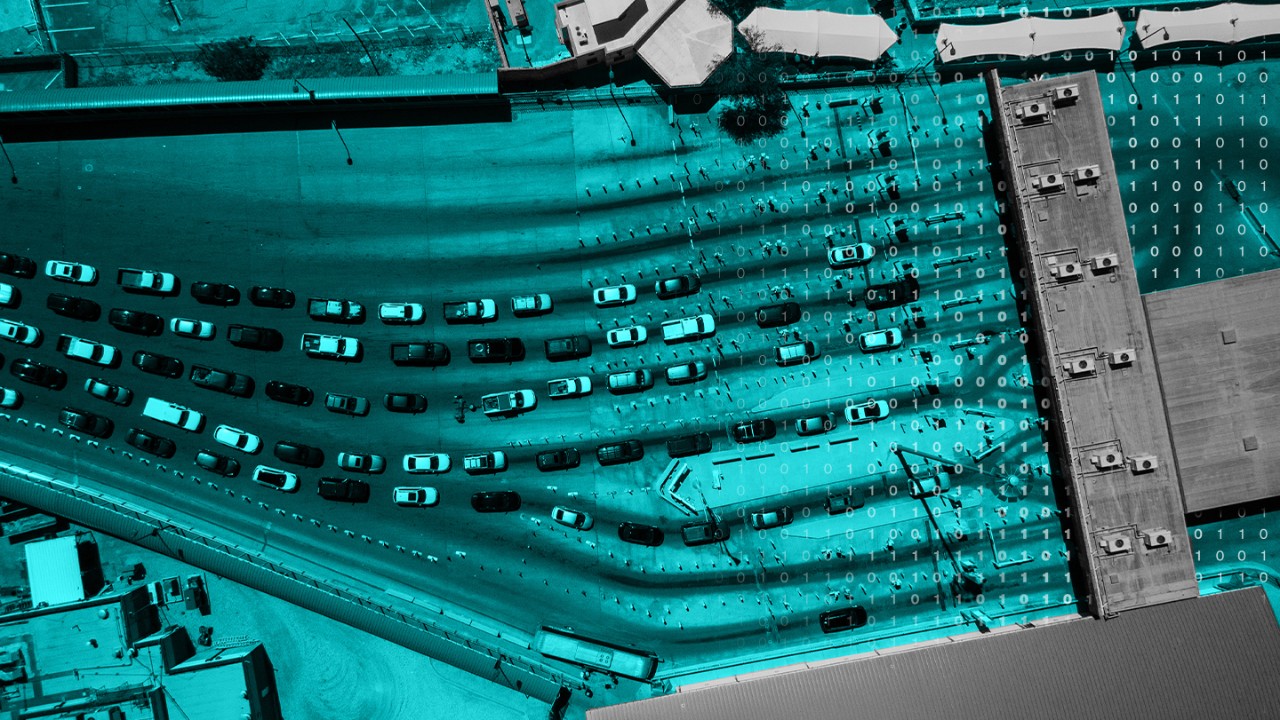
Detecting fentanyl trafficking patterns in real time
Booz Allen deployed an AI-enabled, cloud-native data platform that fused siloed datasets, applied machine learning, natural language processing (NLP), and analytics to detect fentanyl trafficking patterns in real time. By surfacing actionable insights through advanced dashboards, the solution gave law enforcement the precision and speed needed to disrupt illegal drug supply chains and save lives. In the first two months, border officers and agents used advanced analytic tools developed by Booz Allen and the Department of Homeland Security (DHS) to:
- Seize more than 4,721 pounds of fentanyl, 1,700 pounds of fentanyl precursors, 100 pounds of cocaine from entering the country
- Made more than 18 federal and state arrests and more than 200 arrests of alleged smugglers, traffickers, and dealers in California
- Potentially saved hundreds of thousands of lives
Fentanyl is one of the most pressing public health threats in the United States today. The challenge for law enforcement is immense: Tens of thousands of packages enter the U.S. daily, and hidden among them are precursor chemicals bound for labs, often in Mexico, where they are transformed into fentanyl and shipped back into the country. Identifying those high-risk packages in the flood of legitimate shipments was simply beyond the scope of traditional investigative methods.
As Carl Ghattas, senior vice president of Booz Allen’s Law Enforcement and Homeland Security team, explains, “The crux of the problem was the sheer volume of fentanyl precursors coming into the United States. Malicious actors hide in plain sight, blending prohibited substances with legitimate commerce.” Law enforcement needed a way to narrow the scope of searches and focus their limited time and resources on the highest risk shipments. The problem wasn’t just scale; it was also evolution. Traffickers continuously adapt, altering routes, methods, and packaging strategies to evade detection. Booz Allen’s mission became clear: provide advanced technology tools to help law enforcement adapt just as quickly.
AI and Analytics at the Core
One of the first technical challenges was fragmentation. “The data was coming from a variety of different sources,” Carl notes. Customs data, shipping manifests, intelligence reports, and financial records existed in silos, making it nearly impossible to connect the dots.
Our team applied proven data integration frameworks to consolidate these sources into a unified environment. Once fused, the data became usable for advanced analytics and machine learning—unlocking insights that had been inaccessible when the information was isolated.
The heart of the solution was AI-driven analytics. Carl describes the approach: “This is a data analytics problem at its core—trying to sift through tremendous amounts of data and apply AI to narrow the focus quickly.” AI models were trained to recognize suspicious shipping patterns, anomalous behaviors, and hidden relationships. NLP combed through unstructured intelligence reports to extract relevant entities and events. Machine learning then refined these models continuously, learning from new seizures and interdictions to keep pace with traffickers’ evolving tactics.
One of the most remarkable aspects of this project was speed. “This was a fairly short-term project—weeks rather than months or years,” says Carl. Instead of building technology from scratch, Booz Allen leveraged existing AI frameworks and analytic platforms that had been proven in other contexts, adapting them to the fentanyl challenge. This agility demonstrated the power of reusable, modular solutions: the ability to rapidly reapply proven tools to new mission-critical problems.
Building Trust in AI
Adopting new technology can be met with skepticism, particularly when lives are at stake. Our team focused on building trust by pairing AI outputs with human expertise. “The AI sifts out the irrelevant information and puts the more probative data in front of humans more quickly,” Carl explains.
Law enforcement officers were never asked to blindly trust algorithms. Instead, AI served as a force multiplier, accelerating the process of surfacing the most relevant leads, which were then validated by human analysts. This balance of automation and human oversight ensured confidence in the system.
For law enforcement and their partners, the impact was immediate and profound. The technology allowed officers to focus their limited time on the highest probability targets, greatly increasing the chances of intercepting fentanyl precursors before they entered the supply chain. The broader impact was also deeply personal. “When you’re involved in a project like this,” Carl reflects, “you understand that by preventing the flow of precursors into the nation, you literally have saved American lives.”
Looking Ahead
The fight against fentanyl is ongoing, but the success of efforts like this highlights a scalable model for future challenges. Whether applied to narcotics interdiction, counterterrorism, or other threats, the core capabilities—AI, advanced analytics, data integration, and cloud-enabled agility—are reusable and adaptable. As Carl summarizes, “The question we ask ourselves every day is: Did we do enough today? If not, what more do we need to do tomorrow?”
The fentanyl crisis demonstrates why advanced technology is no longer optional for law enforcement—it is essential. By breaking down data silos, applying AI and analytics at scale, and ensuring responsible deployment, Booz Allen is giving agencies the tools to act faster, smarter, and with greater impact. The outcome is clear: lives saved, communities protected, and a path forward in one of the most complex battles facing the nation.