Navigating Zero Trust in Singapore's Maritime Sector
The strategic importance of maritime cybersecurity
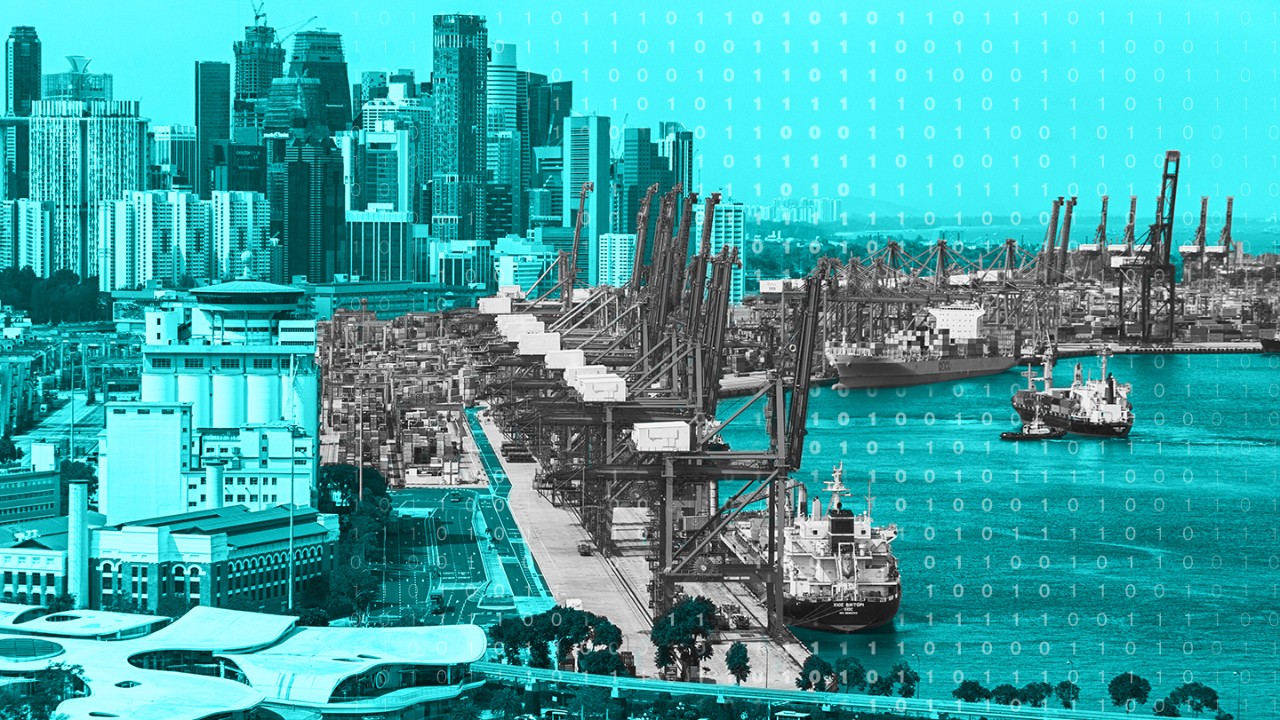
Singapore is home to one of the world’s busiest and most advanced ports, handling over 37 million twenty-foot equivalent units annually and serving as a critical node in global shipping and logistics. As the sector undergoes rapid digitalization—through automation, internet of things, and integrated logistics platforms—it’s also becoming more exposed to sophisticated cyber threats.
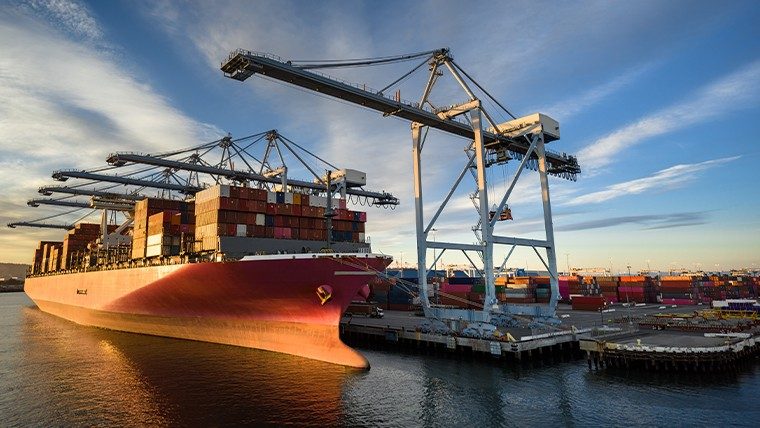
Government-linked and criminal actors are actively targeting maritime systems. Chinese-manufactured ship-to-shore (STS) cranes, some equipped with unauthorized communication hardware, raise urgent concerns about surveillance, sabotage, and strategic disruption.
Incidents such as the ransomware attacks on Maersk and the Port of Los Angeles have shown that even short-lived disruptions can have cascading impacts across global supply chains. For Singapore, a prolonged or successful cyberattack on port operations could jeopardize not just commercial activities but also national resilience and regional trust.
As maritime systems evolve into complex cyber-physical ecosystems, security can no longer be an afterthought or a single layer of defense. Ports rely on a complex patchwork of networked systems, including trucking, rail operations, and cargo inventory management systems. This interconnectivity enables efficiency but also exposes multiple attack surfaces.
The traditional perimeter is dissolving, and trust must be redefined.
Why Zero Trust Is the Right Model – Now
Zero trust (ZT) is not just a buzzword; it’s a transformational approach to cybersecurity built on a few core principles like "Never trust, always verify." This data-centric security strategy acknowledges that threats can emerge from inside or outside the network, and that static security boundaries—especially in dynamic, globally connected industries—are insufficient. Within the network, ZT uses continuous monitoring and strictly enforced controls to ensure trust is earned, not given.
Facilities and vessels in the Maritime Transport System rely on a range of technologies, including automatic identification systems that use radio waves and Global Positioning System (GPS) signals, propulsion systems that use operational technology (OT), terminal operation systems made up of enterprise IT, and remotely operated material handling equipment. Zero trust can:
- Mitigate insider threats and lateral movement, especially across interconnected OT and IT systems
- Ensure continuous verification of user, device, and workload identities in operationally sensitive environments
- Enable secure third-party access for ship operators, logistics partners, and international customs authorities
- Discover vulnerabilities with vulnerability scanning, threat modeling, and other diagnostic methods for pinpointing weaknesses
- Design mitigations, including defense-in-depth and zero trust strategies, within the STS crane environment
- Facilitate incident containment with micro-segmentation and real-time anomaly detection, reducing the blast radius of potential breaches
Importantly, ZT supports resilience without disruption. It allows maritime operators to maintain safety and uptime while incrementally modernising their security posture.
Booz Allen’s Approach: Built for Mission, Tailored for Singapore
Booz Allen brings over a decade of experience implementing ZT architectures across national defense, critical infrastructure, and global commercial clients. What sets our approach apart is our focus on engineering zero trust into complex, mission-critical environments—where availability and safety cannot be compromised.
In Singapore, we adapt this approach to the local maritime landscape in four key ways:
1. Diagnose with Contextual Intelligence: We begin by mapping current-state maritime architectures across IT, OT, and cloud systems—identifying high-risk assets, trust boundaries, and likely attack vectors. This diagnosis incorporates both global threat intelligence and insights specific to Singapore’s maritime ecosystem, such as port operations, vessel tracking systems, and Maritime and Port Authority of Singapore-led digital initiatives.
2. Design Architectures that Bridge OT and IT: Unlike traditional IT networks, maritime OT systems require low latency, high reliability, and strict operational continuity. Our ZT designs embrace these realities—embedding micro-perimeters, secure gateways, and encrypted data flows between OT and IT zones. We also ensure alignment with the Maritime Cybersecurity Code of Practice and other regulatory frameworks in Singapore.
3. Develop Implementation Roadmaps with Industry Realities in Mind: We work with clients to develop phased, risk-informed implementation plans that balance operational priorities with security imperatives. Whether onboarding identity services, deploying behavioral analytics, or segmenting critical systems, we help organizations adopt zero trust in manageable, measurable steps.
4. Deploy Secure Collaboration and Data Exchange: Port operations depend on real-time coordination across numerous stakeholders—from terminal operators and shipping lines to customs agencies and technology vendors. Our ZT solutions support secure, policy-enforced data sharing that enables business outcomes while reducing exposure to insider risks, supply chain compromise, and misconfigurations.
The Path Forward for Singapore's Maritime Sector
Singapore’s commitment to becoming the world’s leading smart port is well underway. The Tuas Port megaproject, the push for Maritime Single Window, and the wider Sea Transport Industry Transformation Map are redefining how the maritime sector will operate in the decades ahead.
Cybersecurity must evolve in tandem—not as a compliance requirement, but as a strategic enabler. ZT offers the blueprint for this evolution: resilient, adaptive, and grounded in continuous verification.
Booz Allen is ready to partner with Singapore’s maritime leaders—public and private alike—to secure the next era of maritime excellence. Through zero trust, we can foster operational transformation in Singapore’s maritime sector that strengthens safety, security, and resilience.