welcome | velocity v5.
Competing Against Time in Cybersecurity
By Brad Medairy, President of National Cyber at Booz Allen
Velocity Magazine | V5. Summer 2026

This is an introduction to our new volume of Velocity.
Download the magazine for the complete collection of articles included in the new edition, or explore the content on our Velocity page.
Thirty years ago, I began my career as a software developer. Back then, cybersecurity was little more than an afterthought. We built systems designed to live safely behind fortified network perimeters, trusting firewalls and isolated infrastructure to keep threats at bay. The prevailing mindset was simple: protect the outer walls, and everything inside would remain secure.
Nearly everything about technology has changed since those early days, but one transformation stands above the rest—the walls are gone. Security can no longer be treated as a gate at the edge of the network; it must be embedded into every layer of the infrastructure and the software itself. Today’s systems are not confined to controlled environments. Applications span cloud platforms, mobile devices, agentic systems, and globally distributed users. Data moves constantly beyond traditional boundaries, and attackers no longer need to breach a perimeter that barely exists. And the United States faces a rapidly evolving adversary accelerated by AI—one capable of delivering cyber effects with unprecedented speed, scale, and sophistication.
The future of cybersecurity will be shaped by a relentless contest between AI-native defense systems and AI-enabled adversaries operating at machine speed, constantly probing for vulnerabilities and creating disruption at scale.
It’s easy to admire the problem we now face—namely, time. When attackers can move faster than defenders, they control the fight. And if our industry keeps building and defending systems in the same way as before, time will not be on our side. Instead of automating old defensive systems, the pressure is on to step back and reimagine the fundamental ways we compete in this new, amorphous cyber battlespace.
In this edition of Velocity, our cover story examines this shift in cyber as tradecraft: why government and industry can’t simply fight AI-enabled threats with AI tooling but must also adopt a new posture—what we describe as “attack to defend.” This means embracing a forward-thinking operating model that can intelligently assess your environment, understand gaps, and proactively mitigate. As Bill Vass, Booz Allen’s Chief Technology Officer, states in our “Lessons from the Edge” column, “Failure isn’t the exception. It’s the normal operating condition.”
We believe that shifts of this magnitude can become breeding grounds for innovation. In fact, Booz Allen recently disrupted our entire approach to fighting nation-state level threats with the development of agent-powered cybersecurity to close the speed gap. There are many more paradigm-shifting examples from across the industry that our featured authors explore.
While each of us navigates this threat landscape, I invite you to engage with the range of issues we cover in this collection, including:
How the right engineering practices can help design, deploy, and de-risk agentic AI systems when critical mission outcomes are at stake
Zero trust's renewed importance given the rapid erosion of the barriers separating operating technology and IT, and the private and public sectors
What’s on the horizon for defense technology investment and innovation, in a special conversation with Raghu Raghuram, managing partner at a16z
The evolution of zero-knowledge proofs from a niche cryptography concept into a serious methodology for national security
The challenges ahead aren’t limited to one mission or one industry: from the adversary’s vantage point, it’s all one big attack surface. For defenders, this means we need to step out of old comfort zones and lean into new operations, partnerships, and cyber automation at scale. While the response window is shrinking fast, organizations that commit to operating at an AI cadence can still outpace the threat. If you take away one thing from this issue, I hope it’s the fact that both government and industry are well-positioned to operate faster, respond decisively, and contain impact across one battlespace.
New edition | v5. summer 2026
Explore the New Velocity

cover story
Reimagining Cyber for a Faster Fight
Securing enterprises against AI threats requires disrupting operating models, enriching detection, and strengthening resilience—because attacks now unfold in minutes, not days.

tech spotlight
How Can You Trust Agentic AI? Start with Engineering
Why trust must be designed, governed, and validated—not assumed.
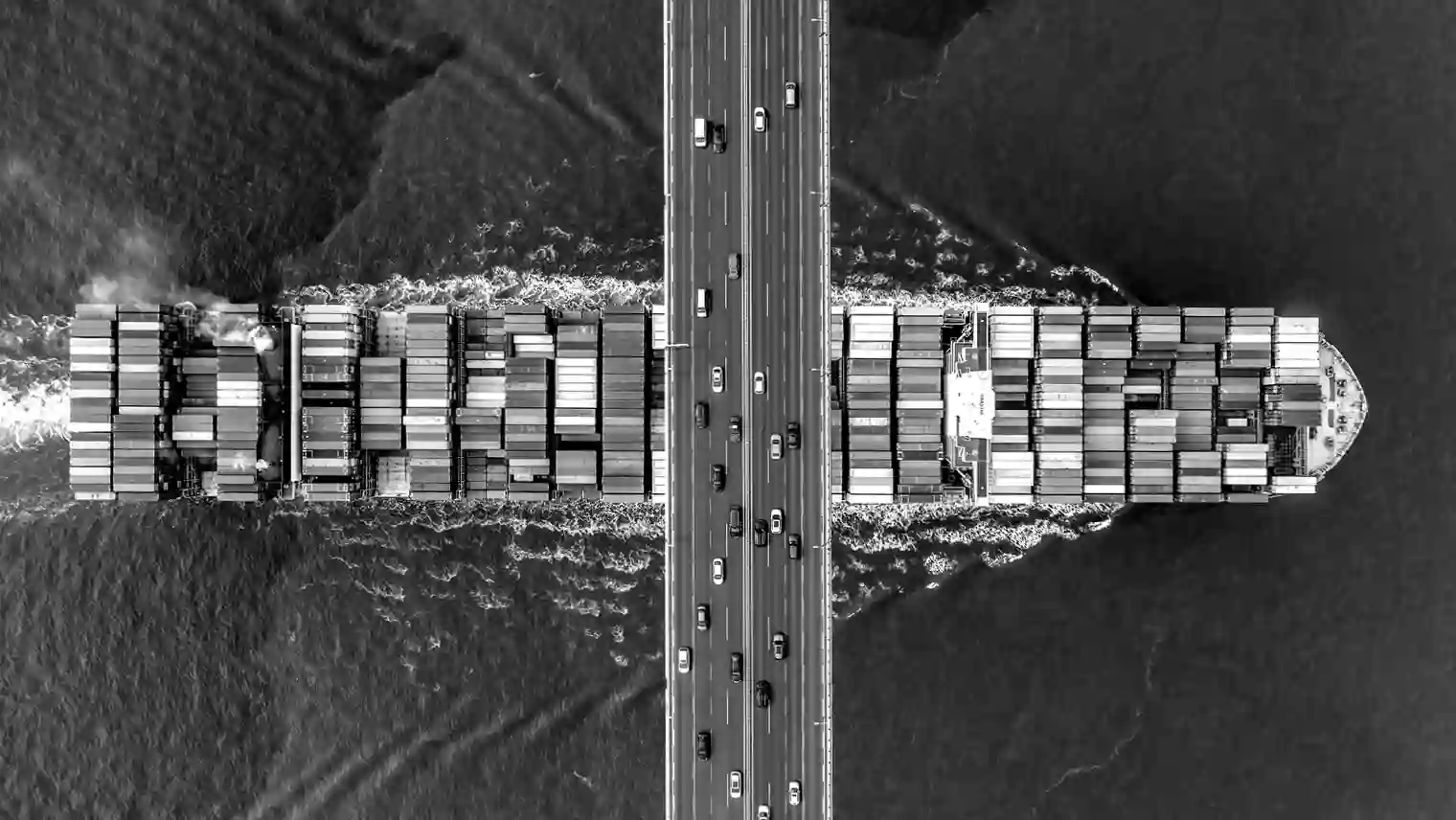
mission spotlight
Infrastructure Under Attack: The Zero Trust Imperative
Cybersecurity must go beyond compliance to defeat new threats.
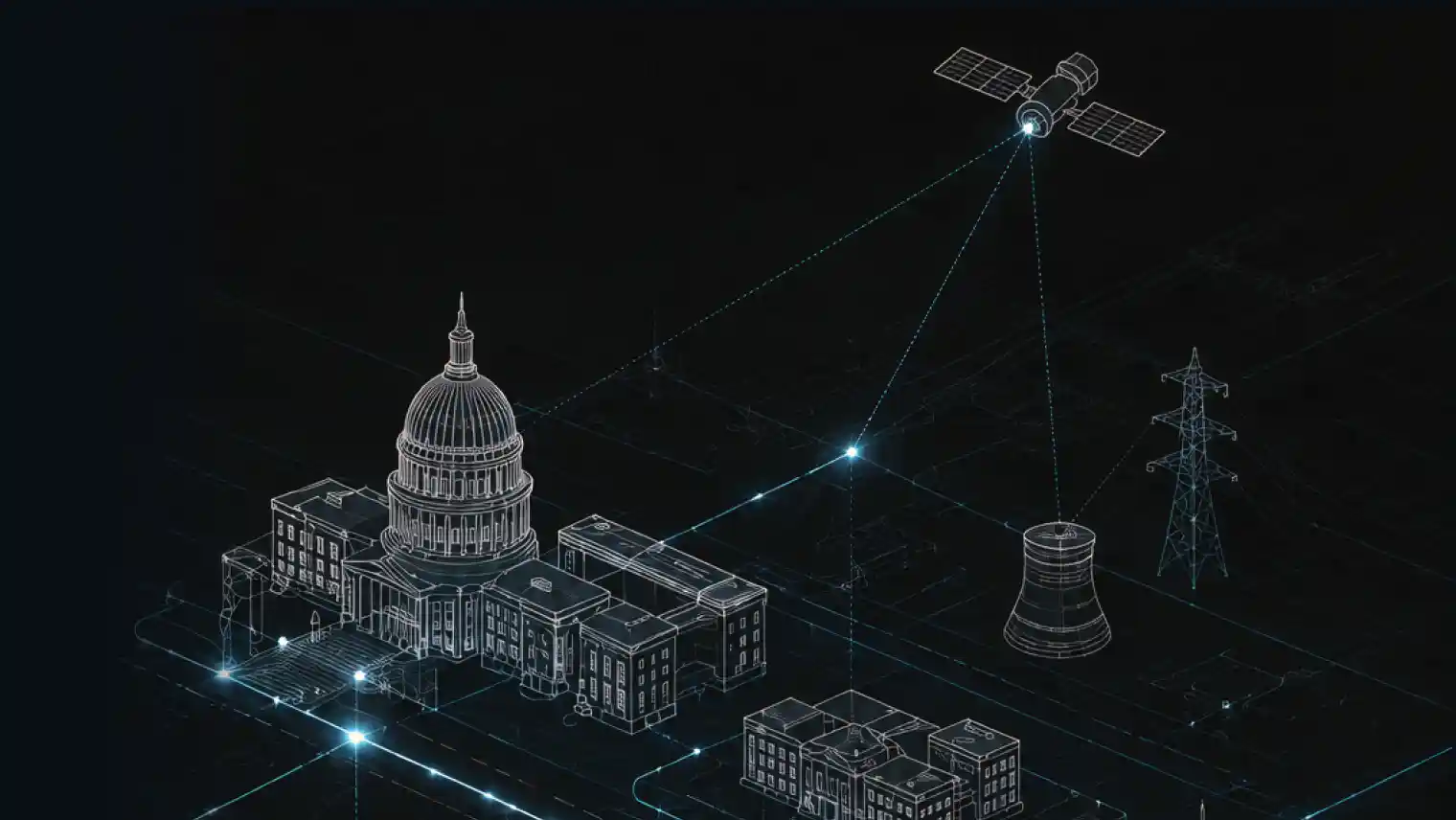
in conversation
Infrastructure to Impact with Raghu Raghuram
An interview with Raghu Raghuram, managing partner at a16z.

emerging trends
The Math that Makes Technology Trustworthy
Formal methods and automated reasoning are reshaping software and AI security.

lessons from the edge
Resilience Tops Perfection: Desiging for Failure Wins
Resilience doesn't come from preventing failure, it comes from surviving it well.

tech watch
Don't Take My Word For It: Zero-Knowledge Proofs
Trusting more (but revealing less) with zero-knowledge proofs for government.
New edition | v5. summer 2026
Explore the New Velocity

cover story
Reimagining Cyber for a Faster Fight
Learn how CISOs are rebuilding to keep pace with AI-powered attacks.
tech spotlight
How Can You Trust Agentic AI? Start with Engineering
Why trust must be designed, governed, and validated—not assumed.
mission spotlight
Infrastructure Under Attack: The Zero Trust Imperative
Cybersecurity must go beyond compliance to defeat new threats.
in conversation
Infrastructure to Impact with Raghu Raghuram
An interview with Raghu Raghuram, managing partner at a16z.
emerging trends
The Math that Makes Technology Trustworthy
Formal methods and automated reasoning are reshaping software and AI security.
lessons from the edge
Resilience Tops Perfection: Designing for Failure Wins
Resilience doesn't come from preventing failure, it comes from surviving it well.
tech watch
Don't Take My Word For It: Zero-Knowledge Proofs
Trusting more (but revealing less) with zero-knowledge proofs for government.
